
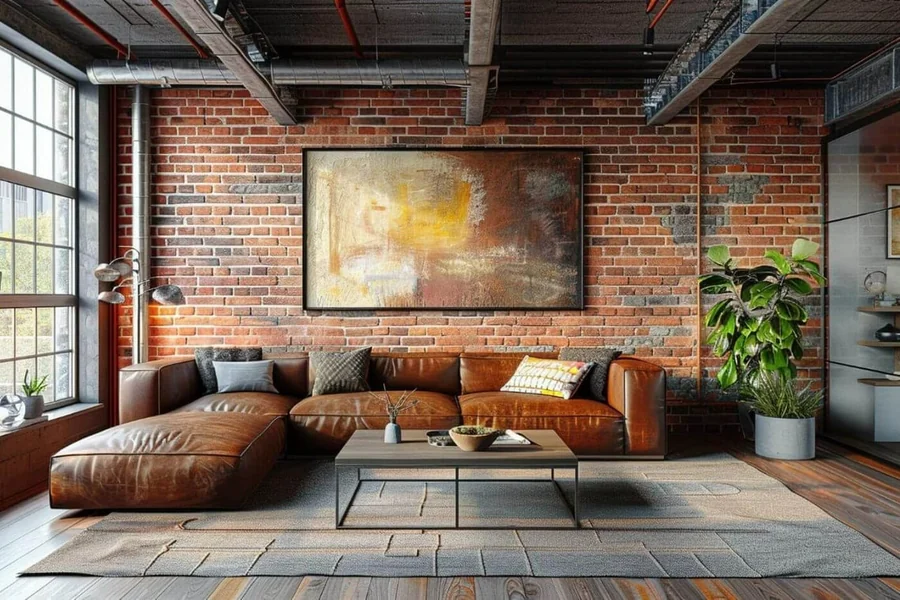
Discovering the Magic of Brick Wall Panels
What Makes Brick Wall Panels an Iconic Choice?
Brick wall panels have carved out an iconic place in the realm of interior design, capturing the attention of homeowners and designers alike for their unique blend of aesthetics and practicality. One of the most compelling aspects of brick wall panels is their versatility; they seamlessly fit into diverse design schemes, from modern minimalism to cozy rustic aesthetics. Moreover, the embracing natural texture and warmth that they bring to a space are qualities that often prove irresistible. When envisioning an interior that exudes charm and character, brick wall panels surface as a popular choice, predominantly due to their extensive range of styles, colors, and textures that cater to various tastes and preferences.
Additionally, functionality complements their beauty. Brick wall panels provide sound insulation and enhance the structural integrity of a space, making them suitable for both residential and commercial environments. Their durability is another significant selling point; unlike paint or wallpaper, brick wall panels resist wear and tear over time, meaning they stand the test of time while maintaining their allure. Furthermore, they are low maintenance, kaiyo only requiring occasional cleaning to keep their appearance intact. As sustainability becomes a priority in design, homeowners increasingly appreciate that many brick wall panels are produced from recycled materials, aligning with eco-friendly practices in interior design.
The Evolution of Brick Wall Design Through the Ages
The history of brick wall design is as rich and varied as the material itself. Originating in ancient Babylon, where the first fired bricks were used over 4,000 years ago, bricks have since traveled through time, adapting to cultural changes and architectural advancements. During the Roman Empire, brick became a fundamental element in constructing durable buildings and intricate infrastructures like roads and aqueducts. Fast forward to the Middle Ages, brick began to serve not only as a building material but also as a decorative element, with patterns and arrangements enriching the surfaces of cathedrals and castles.
In the 20th century, the industrial revolution transformed brick wall design, giving rise to modern interpretations and artistry through the introduction of new production techniques. A notable turning point emerged in the mid-20th century when postmodern designers started utilizing exposed brick in interior design, favoring authenticity and imperfection over the sleek finishes of previous decades. Today, brick wall panels have evolved with technology, allowing for an unprecedented range of designs and finishes while preserving the timeliness that bricks offer.
Choosing the Perfect Style for Your Space
Modern vs. Rustic: Which Aesthetic Suits You?
Deciding between modern and rustic aesthetics when it comes to brick wall panels is a deliberate choice that reflects your personal style and the ambiance you wish to create within your space. Modern designs often favor clean lines, muted color palettes, and minimalist principles, emphasizing functionality and simplicity. In this context, sleek, smooth brick wall panels in shades like white, gray, or black can create a chic backdrop for contemporary furniture, showcasing artistic elements with stark contrast and heightened visual appeal. The calculated use of space and materials characterizes modern decor, where brick walls seamlessly blend with metal and glass elements to foster an upscale urban feel.
On the other hand, rustic aesthetics embrace the charm of the countryside and the rugged appeal of nature. Here, brick wall panels can arrive in more textured, weathered finishes that evoke an inviting warmth. Earthy tones such as reds, browns, and even green hues become instrumental promoting a sense of coziness reminiscent of old barns or historic homes. Rustic brick walls can frame a fireplace in a living room, provide a comforting backdrop in a kitchen, or create a companionable atmosphere in a dining room. Therefore, establishing harmony with surrounding decorations like wooden beams, wrought iron fixtures, or vintage decor can augment this old-world charm. Understanding how these styles align with your overall design intent is crucial, serving not only to enhance appearances but also to cultivate emotional attachments to your living environment.
Exploring Colors and Textures: Beyond Traditional Red
While traditional red brick holds a timeless appeal, the world of brick panels has expanded to encompass a spectrum of colors and textures that can transform any interior. Colors such as gray, cream, taupe, and even deep blues are increasingly popular choices; they provide the same strong structural feel without the overpowering hue of classic red. Textured panels, designed to mimic the look of reclaimed wood, stucco, or even stone, can elevate a wall from a mere boundary to a statement piece, contributing depth and dimension to the overall aesthetic of a space. This diversification encourages creative expression, allowing individuals to create a bespoke interior that speaks to their unique taste and personality.
Furthermore, advancements in manufacturing technology mean that designers can replicate the appearance of aged or distressed bricks that evoke a sense of history and authenticity. These finishes can pair beautifully with industrial elements, or they can soften the edges of modern furniture or décor, providing an arresting contrast that breathes life into your surroundings. Such nuanced choices not only elevate the visual landscape but also carry emotional connotations that can enrich everyday experiences within your living space.
Installation Insights: DIY or Hire a Pro?
Step-by-Step Guide to DIY Installation
Many homeowners dream of creating a stunning feature wall using brick wall panels, and the allure of DIY installation is often tempting. Getting hands-on allows for greater control over the final outcome but demands proper research and preparation. First, assess the suitability of the wall where you intend to install the panels; it should be clean, dry, and structurally sound. Prior to purchasing materials, calculate how many panels you need while allowing for waste, as miscalculations can lead to unnecessary delays and costs.
The next step involves gathering necessary tools and materials, including adhesive, a level, a utility knife, a measuring tape, and possibly grouting supplies, depending on the specific panel style chosen. Adhering to manufacturer instructions is essential: begin by applying adhesive to the back of each panel and pressing it firmly against the wall, ensuring that you check levels continuously for alignment. The process is often akin to putting together a puzzle patience and precision are key. Cutting panels to fit around electrical outlets or structural impediments may be necessary, and using a utility knife for this will ensure that cuts are clean and accurate.
Once all panels are installed and are dried according to manufacturer specifications, consider adding grout to fill gaps for a professional finish. Finishing touches might include sealing the panels to enhance durability and resistance to moisture. It’s integral to remember that while DIY can be an incredibly rewarding endeavor, it requires a commitment to time and effort. Mistakes can happen, and knowing when to step back, take a break, or consult with a professional could save time and resources in the long run.
When to Call in the Experts: Understanding Your Options
While the allure of DIY home improvement projects is enticing, there are circumstances where calling in professionals may be a wise decision. If the installation space is complex featuring uneven walls, intricate architectural details, or existing structures that could complicate installation professional expertise can ensure that the final results are flawless. Specialists in brick wall installation possess specific skills in surface preparation, materials handling, and adhesive techniques that can make all the difference in achieving a durable and appealing finish.
Additionally, factors such as time constraints and the scale of the project also weigh heavily on the decision to hire experts. For homeowners juggling a busy lifestyle, professional installations can minimize disruptions and lead to a quicker turnaround while ensuring meticulous attention to detail. Lastly, reputable contractors often come with liability insurance, reducing the financial risks associated with potential accidents or damage during installation. In essence, understanding the complexities of your project, evaluating personal skills, and weighing lifestyle factors ultimately guide the decision of whether to tackle the installation yourself or enlist professional assistance.
Maintaining Your Brick Wall Panels for Longevity
Cleaning and Care: Keeping Your Panels Pristine
Ensuring the long-term beauty and integrity of brick wall panels hinges upon consistent and appropriate maintenance practices. The first step, of course, involves regular cleaning to remove dirt, dust, and potential stains. Unlike other wall treatments, brick panels do not require elaborate cleaning solutions; a gentle approach with mild soap and warm water is typically sufficient. Using a soft brush or microfiber cloth can help remove debris without damaging the finish. It’s important to avoid harsh chemicals that can strip away protective coatings or affect the surface texture of the panels.
In instances where more persistent stains emerge such as grease splatters or markers there are specialized cleaners available that are formulated to be safe for masonry. However, always conduct a small patch test before applying new products to ensure compatibility with your specific panel finish. Additionally, sealing your brick wall panels can significantly enhance their resistance to stains and moisture intrusion, contributing to a longer lifespan and consistent appearance. It is advisable to reapply the sealant every few years, depending on your specific environmental conditions.
Addressing Common Issues: Cracks, Chips, and More
Over time, even the most carefully installed brick wall panels may encounter issues such as cracks, chips, or fading. Understanding how to address these concerns effectively can further extend the life of your installation. For minor cracks, a high-quality masonry filler can seal as well as camouflage small discrepancies follow application instructions carefully to blend repairs seamlessly with existing panels. It’s essential to monitor for further deterioration over time, as underlying structural issues may require more in-depth repairs.
Chips or significant dents can be more intricate to mend, often necessitating the replacement of an entire panel. When replacing panels, aim for replacements that match the original material as closely as possible, maintaining visual cohesion across your installation. Lastly, if discoloration occurs either from environmental factors or errant cleaning methods a professional touch may be needed, as they possess the tools and expertise to restore the panels’ original vibrancy without causing further damage.
In conclusion, while brick wall panels bring unwavering charm and style to interiors, they require thoughtful consideration in both initial selection and ongoing maintenance. By harnessing the power of comprehensive guides like this one, individuals can navigate through various aspects of brick wall panel use, assuring their living and working spaces remain timeless, stylish, and resilient for years to come.