
What Is the Best Way to Repair an Asphalt Parking Lot?

An asphalt parking lot is one of the most important assets for any commercial property, offering both functionality and curb appeal. Over time, however, even the most well-constructed lots face deterioration due to traffic load, weather fluctuations, and poor drainage. Asphalt Parking Lot Repair becomes essential not just for aesthetics, but also for safety, liability prevention, and prolonging the pavement’s lifespan.
But what is the best way to repair an asphalt parking lot? The answer depends on the severity of the damage. From minor cracks to deep potholes, each repair method serves a unique purpose. Professional contractors, such as Asphalt Coatings Company, use advanced techniques to ensure long-lasting results.
Contents
- 1 Understanding Why Asphalt Parking Lots Deteriorate
- 2 When Is the Right Time for Asphalt Parking Lot Repair?
- 2.1 Crack Sealing: The First Line of Defense
- 2.2 Pothole Repair and Patching Solutions
- 2.3 Overlay vs. Milling and Resurfacing
- 2.4 Full-Depth Reclamation: The Ultimate Solution
- 2.5 Sealcoating for Long-Term Protection
- 2.6 Importance of Line Striping After Repairs
- 2.7 Drainage Improvements During Asphalt Parking Lot Repair
- 3 Eco-Friendly Asphalt Parking Lot Repair Methods
- 4 How to Choose the Right Asphalt Contractor
- 5 Preventative Maintenance for Lasting Results
- 6 Conclusion
- 7 FAQs
Understanding Why Asphalt Parking Lots Deteriorate
Before deciding on the best repair approach, it’s vital to understand why asphalt surfaces break down. Oxidation caused by UV rays dries out the surface, making it brittle. Heavy vehicles create stress cracks. Poor drainage allows water infiltration, which weakens the base layers. Freeze-thaw cycles then expand existing cracks into larger structural problems.
Left untreated, these issues compound, leading to potholes, raveling, and complete pavement failure. This is why timely asphalt parking lot repair is not just an option—it’s a necessity.
When Is the Right Time for Asphalt Parking Lot Repair?
Property managers often wonder whether they should repair immediately or wait until damage becomes extensive. The rule of thumb is simple: address minor issues early. A crack sealed today is a pothole prevented tomorrow. Regular inspections at least twice a year help identify surface distress before it worsens.
Partnering with a trusted contractor like Asphalt Coatings Company ensures proper evaluation and repair at the right time, saving both money and future headaches.
Crack Sealing: The First Line of Defense
The most cost-effective repair method for an asphalt parking lot is crack sealing. Small cracks may seem harmless, but water infiltration can destabilize the subbase, leading to larger failures. Hot rubberized sealant is injected into the cracks, forming a flexible barrier that expands and contracts with the pavement.
While this is often considered a preventative measure, it’s one of the most effective ways to extend the pavement life. Contractors trained in asphalt parking lot repair always recommend sealing before winter to reduce freeze-thaw damage.
Pothole Repair and Patching Solutions
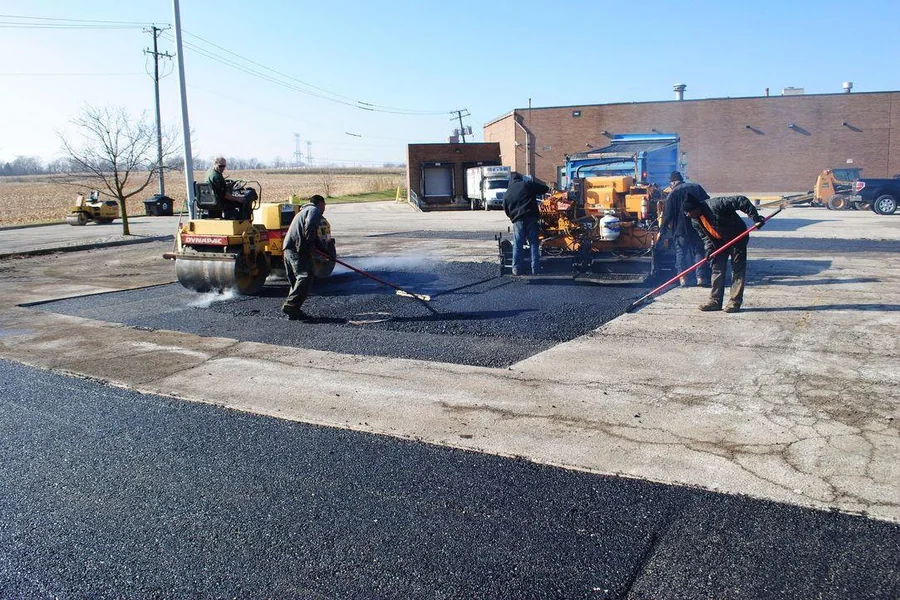
When cracks evolve into potholes, patching becomes the necessary approach. There are two primary techniques: cold patching and hot mix patching. Cold patching is a temporary fix, ideal for winter months when hot mix asphalt isn’t readily available. However, hot mix patching is the preferred permanent solution, ensuring durability and a smoother finish.
Asphalt Coatings Company specializes in hot asphalt patching that restores both the integrity and appearance of parking lots, making it a trusted choice among businesses looking for long-term solutions.
Overlay vs. Milling and Resurfacing
For lots with widespread damage but a stable foundation, asphalt overlay is an excellent option. This process involves applying a new layer of asphalt over the existing pavement, essentially giving it a fresh surface. On the other hand, milling and resurfacing involves grinding off the top layer before applying new asphalt, which corrects drainage issues and smooths irregularities.
Both methods can dramatically extend the life of your parking lot while enhancing curb appeal. However, the choice depends on the severity of surface distress and the thickness of the current pavement.
Full-Depth Reclamation: The Ultimate Solution
When asphalt parking lot damage goes beyond repairable levels, full-depth reclamation becomes the most effective option. This process involves pulverizing the existing pavement and base material, mixing it with stabilizing agents, and then repaving the surface. Although more expensive, it provides a brand-new, durable surface designed to last decades.
Commercial property owners often turn to Asphalt Coatings Company for such comprehensive projects, as their expertise ensures minimal disruption and maximum return on investment.
Sealcoating for Long-Term Protection
Sealcoating is one of the most overlooked yet most powerful strategies in asphalt parking lot repair and maintenance. This protective layer shields the pavement from harmful UV rays, vehicle fluids, and weather extremes. Applied every three to five years, sealcoating significantly delays oxidation, prevents small cracks, and enhances the blacktop’s appearance.
A freshly sealcoated parking lot not only extends pavement life but also improves curb appeal—something that tenants, customers, and visitors notice instantly. Businesses that want to make a lasting first impression often schedule sealcoating with professional contractors such as Asphalt Coatings Company, ensuring maximum quality and durability.
Importance of Line Striping After Repairs
Repairing asphalt parking lots is only half the job—safety and functionality come next. Fresh line striping after sealcoating or resurfacing ensures clear traffic flow, visible parking spots, ADA compliance, and reduced liability risks.
Without visible lines, accidents, confusion, and inefficiencies increase. A well-marked parking lot, on the other hand, shows professionalism and organization. Whether it’s angled parking, fire lanes, or directional arrows, striping completes the repair process by transforming functionality into order.
Drainage Improvements During Asphalt Parking Lot Repair
No matter how strong the asphalt, poor drainage will always compromise it. Standing water seeps into cracks and accelerates deterioration. During repair projects, contractors often recommend installing new drains, regrading low spots, or improving slope design.
These adjustments prevent water accumulation, reduce freeze-thaw damage, and extend the lifespan of repairs. An experienced company like Asphalt Coatings Company understands that asphalt repair isn’t just about patching holes—it’s about solving underlying issues that cause damage in the first place.
Eco-Friendly Asphalt Parking Lot Repair Methods
Sustainability in construction has become a major concern for property owners. Asphalt parking lot repair can now be eco-friendly with techniques like warm mix asphalt, recycled asphalt pavement (RAP), and infrared repair technology.
- Warm Mix Asphalt lowers emissions during production.
- Recycled Asphalt reduces the need for new aggregates.
- Infrared Repair blends old and new asphalt seamlessly, minimizing waste.
These green solutions not only save money but also align businesses with environmental responsibility, making them more appealing to eco-conscious clients and stakeholders.
How to Choose the Right Asphalt Contractor
The effectiveness of asphalt parking lot repair depends as much on the contractor as the method chosen. Property managers should consider experience, customer reviews, equipment quality, and adherence to safety regulations.
A reputable company like Asphalt Coatings Company provides detailed inspections, transparent pricing, and customized repair solutions. Their team ensures that repairs are durable, cost-effective, and completed with minimal disruption to daily operations.
Preventative Maintenance for Lasting Results
Repairs are effective only when supported by consistent maintenance. Preventative steps include:
- Scheduling bi-annual inspections.
- Keeping drains clear to prevent water buildup.
- Cleaning debris and oil spills promptly.
- Resealing every three to five years.
By incorporating these practices, businesses save significantly on long-term costs while ensuring their parking lots remain safe and visually appealing.
Conclusion
Asphalt parking lot repair is more than just patching cracks—it’s about preserving value, safety, and aesthetics. From crack sealing and pothole patching to sealcoating and full-depth reclamation, each method serves a purpose in maintaining a healthy pavement structure.
Whether you’re looking for a quick fix or a long-term restoration, choosing the right approach at the right time saves money and prevents costly future damage. Partnering with an experienced contractor such as Asphalt Coatings Company ensures that repairs are done correctly, efficiently, and sustainably.
FAQs
What is the most cost-effective asphalt parking lot repair method?Crack sealing is the most affordable and effective first line of defense, preventing small problems from becoming large, costly issues.
How often should I sealcoat my asphalt parking lot?Sealcoating is recommended every three to five years, depending on traffic volume and weather conditions.
Can potholes be repaired in winter?Yes, but cold patching is often a temporary fix. Permanent repairs with hot mix asphalt should be scheduled in warmer months.
How long does an asphalt overlay last?With proper maintenance, overlays can last 10–15 years, making them an excellent mid-range solution.
Is resurfacing better than replacing an asphalt parking lot?If the base layer is intact, resurfacing is often a cost-effective alternative to full replacement. However, severely damaged lots may require reconstruction.
What role does drainage play in parking lot longevity?Proper drainage prevents water infiltration, freeze-thaw damage, and premature deterioration, making it a critical component of any repair.